Removals near Dulwich Picture Gallery insider tips
Posted on 19/06/2026
Removals near Dulwich Picture Gallery insider tips: a practical local guide for a smoother move
If you are planning Removals near Dulwich Picture Gallery insider tips is probably not just a nice-to-have search term - it is exactly the kind of local advice that saves time, awkward lifting, parking stress, and a last-minute scramble. Moving in this part of Dulwich can be straightforward, but only if you understand the rhythm of the streets, the parking realities, and the small practical details that make a big difference on the day. Near the Gallery, the setting is elegant, residential, and often a touch tighter than people expect. That means good planning matters. A lot.
This guide walks you through the local moving process in plain English. You will get insider tips on timing, access, packing, choosing the right service, avoiding common mistakes, and deciding whether a house move, flat move, or smaller van-based job makes the most sense. It is written to be useful whether you are moving around the corner or out of Dulwich altogether.
Why this local advice matters
Moves near Dulwich Picture Gallery are not difficult in the same way that a city-centre move can be difficult, but they do have their own quirks. The roads around the Gallery and the wider Dulwich area can be busy at peak school-run times, and parking can be more delicate than people first assume. If your van arrives late, or the team cannot get close enough to the entrance, the whole day can start to wobble. Nobody wants that, especially when there are boxes in the hallway and a kettle that has mysteriously vanished into the wrong room.
Local moving advice matters because it helps you plan around those realities. It also helps you choose the right level of service. A smaller flat move may only need a compact vehicle and a couple of careful movers, while a larger family home with furniture, artwork, or bulky items might need a more structured removal service. If you are still weighing up broader moving considerations in the area, you may also find it useful to read Dulwich property market insights and a practical guide to buying in Dulwich, because moving and property decisions often overlap more than people expect.
Expert summary: The best move near Dulwich Picture Gallery is usually the one that respects the local streets, keeps access simple, and matches the removal method to the size of the job - not the other way around.
How removals near Dulwich Picture Gallery work
In practical terms, local removals work the same way anywhere: you prepare your belongings, book a vehicle and crew, move items carefully, and settle them into the new home. The difference is in the local logistics. Near a place like Dulwich Picture Gallery, the move often benefits from a bit of extra thought about access, timing, and item protection.
Here is what usually happens. First, you identify the volume of items. Then you decide whether you need a full removal team, a man with a van, a man and a van, or a larger lorry-style service. You confirm the route, building access, parking arrangements, and any fragile or awkward items. On the day, the crew loads the items in a sensible order, protects furniture and floors, and transports everything to the new address.
If the property is a flat, access details become even more important. Stairs, narrow hallways, intercoms, and limited loading space can all add time. That is why it can help to compare a specialist flat move with broader options such as flat removals in Dulwich or house removals in Dulwich. Each approach suits a different type of home and a different level of complexity.
For students, short-notice relocations, or smaller loads, a lighter-touch option may be more sensible. In that case, a page like student removals in Dulwich can be a better fit, especially if you are moving on a budget or between furnished properties. Truth be told, the wrong service choice is one of the easiest ways to overspend.
Key benefits and practical advantages
The real advantage of using local moving know-how is not just convenience. It is control. You get a better handle on timing, loading, item safety, and the amount of help you genuinely need. That sounds simple, but it is often the difference between a move that feels manageable and one that turns into a long, slightly sweaty afternoon of improvisation.
- Less stress on moving day: When access and parking are planned properly, the move tends to run more calmly.
- Lower risk of damage: Good packing and the right vehicle reduce bumps, scratches, and dropped items.
- Better value: Booking the correct type of service helps you avoid paying for more van space or labour than necessary.
- Cleaner time planning: A local move with sensible scheduling is easier to fit around work, children, or building access.
- More suitable handling for awkward items: Furniture, mirrors, pianos, and heavy boxes need specific care rather than guesswork.
Another practical advantage is that local removals are easier to align with other moving tasks. If you need boxes, wrapping materials, or a short-term holding option, you can plan that into the move rather than chasing it at the last minute. Pages like packing and boxes in Dulwich and storage in Dulwich are worth considering when your move-out and move-in dates do not quite line up. That happens more than people admit.
And if sustainability matters to you, it is worth thinking about reuse and recycling early rather than as an afterthought. A well-planned move usually creates less waste. Less waste, less hassle.
Who this is for and when it makes sense
This kind of local moving advice is useful for a wide mix of people. If you are moving from a period flat, a family home, a rental, or a studio near the Gallery, the same core principle applies: match the service to the job. But the details change.
- Homeowners: Often need more careful scheduling, larger vehicles, and extra help with furniture.
- Tenants: Usually benefit from speed, efficient packing, and clear building access planning.
- Students and young professionals: Often need flexible, budget-conscious transport with fewer moving hands.
- Businesses: May need evening or staged office moves to reduce disruption.
- Specialist-item movers: Need proper handling for heavy, valuable, or delicate possessions.
If you are weighing up providers, it helps to look at the differences between removal companies in Dulwich and smaller vehicle-led options such as man with van in Dulwich. One is not automatically better than the other. It depends on your home size, access, budget, and tolerance for lifting.
There is also a practical crossover with local life changes. People moving because of a new job, a relationship change, school catchment decisions, or an upgrade in space often need a service that feels calm and predictable. If that sounds familiar, you are in the right place.
Step-by-step guidance
A smooth local removal starts before the van turns up. Ideally, you want the whole operation to feel almost boring on the day. Boring is good here.
- Assess the size of the move. Make a rough inventory of furniture, boxes, fragile items, and anything awkward.
- Check access at both addresses. Note stairs, lifts, narrow hallways, parking, and loading points.
- Choose the right removal type. A full house move is different from a compact van-based job.
- Book packing materials early. Boxes, tape, wrap, and labels prevent a lot of needless chaos.
- Disassemble only what needs disassembly. Beds and large wardrobes often need it; small furniture sometimes does not.
- Label by room, not just by item. The new home becomes easier to unpack if every box has a home.
- Protect fragile items properly. Use padding, not hope. Hope is not a packing method.
- Confirm timings and contact details. A five-minute check can save a very annoying delay later.
- Keep essentials with you. Kettle, chargers, documents, medication, toiletries, and one clean change of clothes should travel separately.
- Walk the property at the end. Check cupboards, lofts, under beds, and behind doors before the van leaves.
A local move near the Gallery often benefits from a slightly earlier start than people expect. Morning light, calmer streets, and fewer interruptions can make a surprising difference. It is not glamorous, but it works.
Expert tips for better results
Here are the things that tend to matter most in real life, especially for moves in Dulwich where the surroundings are residential and the margins for error can be small.
1. Plan around the street, not just the address
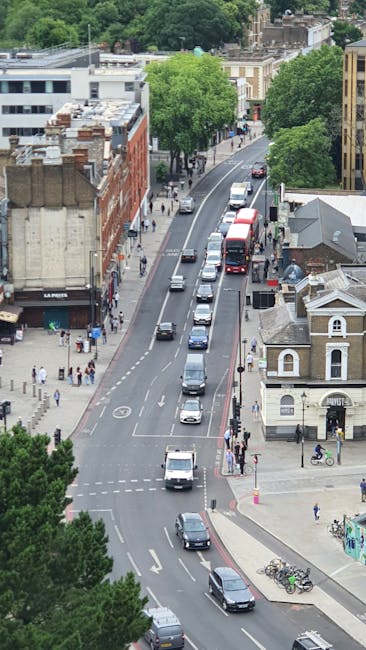
Two houses on the same road can be very different to move from. One may have smooth front access and easy loading. The other may have tight kerbs, shared parking, or a staircase that seems to have been designed by someone with a sense of humour. Always judge the street as much as the property itself.
2. Protect the corners, edges, and awkward surfaces
Damage usually happens on corners, door frames, and table edges. A few extra wraps of protection can save a lot of grief. If you are moving large pieces, see whether furniture removals in Dulwich fits your situation better than a general light-load move.
3. Don't overload boxes
People always forget this. Books into one box, kitchenware into another, and suddenly the box weighs like a small child. Keep heavy items in smaller boxes and save the bigger cartons for lighter stuff.
4. Use a realistic time buffer
Even a tidy move can pick up delays. A neighbour's car blocks access. The lift is busy. Someone cannot find the key. Build in breathing space. A little slack in the schedule is not laziness; it is common sense.
5. Ask direct questions before booking
Ask what vehicle will be used, how many movers will attend, whether packing help is available, and how the company handles fragile items. If you are comparing multiple options, the service overview at services overview can help you think through what level of help you actually need.
6. Keep valuables separate
Documents, jewellery, passports, laptops, and small heirlooms are better kept with you. It is a simple habit, but it prevents a lot of worry.
7. Avoid the "just one more thing" pile
There is always one more thing. A lamp. A planter. A random drawer full of charging cables. Make a final sweep the night before, or you will be doing a frantic box dance at 7:30 a.m. For shame.
Common mistakes to avoid
Many moving problems are predictable. That is the good news. The less good news is that people still make them all the time.
- Booking the wrong vehicle size: Too small means extra trips or last-minute panic. Too big means wasted money.
- Ignoring access details: Parking restrictions, narrow roads, and steps can slow everything down.
- Poor box labelling: It sounds minor until you are hunting for tea bags and phone chargers after dark.
- Leaving packing until the final evening: That usually leads to rushed wrapping and damaged items.
- Forgetting insurance and care standards: You want reassurance that items are handled sensibly, especially with valuables or bulky furniture.
- Overlooking storage needs: If your dates do not line up, temporary storage may be the cleanest solution.
Another frequent mistake is assuming every removal job should be handled in the same way. A studio flat near the Gallery does not need the same setup as a four-bedroom family house. Not even close. If you are not sure what type of move you need, start by comparing man and a van in Dulwich with removals in Dulwich. That usually makes the decision clearer very quickly.
Tools, resources and recommendations
You do not need fancy kit to move well, but a few basic tools make life much easier. The real value is not the tool itself; it is the order it creates.
- Sturdy boxes: Use a mix of sizes so heavier items can sit in smaller cartons.
- Packing tape: More than you think you need. Always more.
- Marker pens and labels: Mark room names, contents, and fragility.
- Bubble wrap or paper wrap: Useful for glass, lamps, artwork, and small electronics.
- Furniture covers and blankets: Helpful for protecting upholstery and wood finishes.
- Basic toolkit: Screwdrivers, Allen keys, and a tape measure are the unsung heroes of moving day.
For larger or trickier items, specialist support is worth considering. A piano, for example, is not a "we'll just lift it carefully" job. It needs proper handling. If that applies to you, look at piano removals in Dulwich rather than trying to improvise. Likewise, office moves benefit from a different approach to household moves, so office removals in Dulwich may be the better route for work-related relocations.
If you are price-sensitive, comparing options carefully is sensible. You can review pricing and quotes and then decide whether a lighter vehicle service or a fuller removal team gives better value for your situation. That is often where the smart savings happen - not by cutting corners, but by picking the right shape of service.
Law, compliance, standards and best practice
For most home removals, the legal side is not complicated, but there are still a few standards of care worth taking seriously. You should expect movers to handle belongings responsibly, communicate clearly, and follow sensible health and safety practices. In the UK, professional removals also usually involve practical attention to vehicle loading, safe lifting, and the handling of fragile or valuable items.
If you are using a service provider, check that their insurance and safety approach is clear and understandable. That includes how they manage risk during lifting, transit, and unloading. It is also sensible to review the company's policies around complaints, terms, and payment before booking, especially if you are moving expensive furniture or coordinating a tight schedule. A little admin now can prevent a big headache later.
For that reason, pages such as insurance and safety, health and safety policy, terms and conditions, and payment and security can be genuinely useful when you are choosing a provider. They help set expectations. They also tell you, in plain terms, whether a company seems organised or a bit hand-wavy. You do not want hand-wavy.
Best practice also means being honest about the job. If a piece of furniture is too large for the staircase, say so upfront. If the access is tight, say so. If the dates are uncertain, say so. Professional removals work best when everyone is working with the same information.
Options, methods and comparison table
Choosing a moving method is often the key decision. Here is a simple comparison to help you think it through.
| Option | Best for | Main strengths | Possible drawbacks |
|---|---|---|---|
| Man with a van | Small to medium moves | Flexible, usually efficient, good for lighter loads | May not suit large houses or many heavy items |
| Man and a van | Flats, student moves, short local jobs | Simple, practical, often budget-friendly | Less capacity for complex or bulky moves |
| Full removals team | House moves, larger homes, delicate furniture | More hands, more structure, better for awkward items | Typically more expensive than smaller services |
| Vehicle-only transport with help | Mixed-size moves with packing already done | Useful middle ground | Requires you to do more preparation beforehand |
There is no universally "best" choice. There is only the best fit for your day, your belongings, and your budget. If you are still unsure, reviewing man with van Dulwich, removal van Dulwich, and removal services in Dulwich can help you map the differences without overcomplicating it.
Case study or real-world example
Here is a realistic scenario. A couple moving from a first-floor flat near the Gallery to a house a few streets away had a modest amount of furniture: a bed, sofa, dining table, several boxes of books, kitchen items, and framed prints. They initially assumed they needed a large removals truck because, well, it looked like a lot when everything was spread out across the flat.
After a simple inventory and a look at access on both streets, it became clear that a smaller vehicle with careful loading would be enough. The couple packed fragile items separately, labelled boxes by room, and kept essentials with them. The move was done in one trip, the furniture was protected, and the unloading was straightforward. No drama. No re-packing in the rain. Just a sensible, local move.
Now compare that to a different case: a family moving out of a larger home with wardrobes, a piano, children's furniture, and storage overflow. That job would need a more structured approach, probably with more movers, more time, and specialist handling for the piano. Same area. Very different move. That is why local knowledge matters.
Practical checklist
Use this checklist in the week before your move. It is simple, but it covers the essentials.
- Confirm the moving date and time.
- Check access at both properties.
- Reserve parking if needed, where possible.
- Pack non-essential items early.
- Label every box by room and content.
- Wrap fragile items securely.
- Disassemble larger furniture only if needed.
- Keep valuables and documents separate.
- Set aside essentials for the first night.
- Test door widths, stair turns, and lift access.
- Review insurance, payment, and terms before the day.
- Arrange storage if your dates do not align.
- Do a final sweep of cupboards, lofts, and drawers.
If you are moving with children or working around a tight schedule, give yourself one extra hour than you think you need. That one hour can feel like gold.
Conclusion
Moves near Dulwich Picture Gallery do not need to be stressful. With the right preparation, the right service choice, and a little local awareness, the process becomes far more manageable than most people expect. The trick is to stay practical: know your access, pack with care, choose the right vehicle and crew, and leave room for small surprises.
Whether you are moving a flat, a family home, office items, or one awkward piece of furniture you have no idea how you ever got upstairs, the best outcome usually comes from calm planning rather than last-minute effort. That is the real insider tip. Nothing flashy. Just thoughtful moving done properly.
Get a free quote today and see how much you can save.
And if today's move feels like a lot, that is normal. Take it one box at a time - the rest usually falls into place.