Moving to SE21 Dulwich local street guide for removals
Posted on 30/06/2026
Moving to SE21 Dulwich Local Street Guide for Removals
If you are moving to SE21 in Dulwich, a little local knowledge goes a long way. Streets here can feel calm and leafy, but removals still need careful planning: narrow approaches, parking realities, school-run traffic, and the odd tight turn can all affect the day. This guide to Moving to SE21 Dulwich local street guide for removals is designed to help you settle the details before the van arrives, so the move feels organised rather than stressful.
Whether you are heading into a family house near quiet residential roads, a flat close to the station, or a property tucked behind tree-lined avenues, the practical questions are usually the same: where will the vehicle stop, how much can be carried at once, and what should be packed first? We will cover the local moving context, the best preparation habits, likely pain points, and the service choices that fit different move sizes. Truth be told, that is often the difference between a smooth move and a day spent shuffling boxes in the rain.
Why Moving to SE21 Dulwich Local Street Guide for Removals Matters
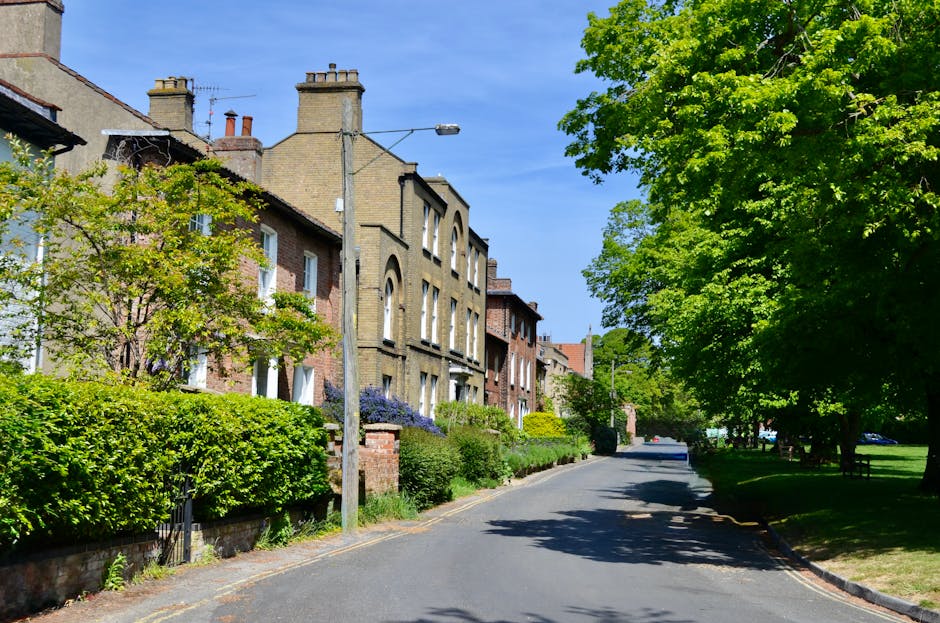
SE21 is one of those London postcodes where the setting matters as much as the postcode itself. The roads are often residential, the parking can be limited, and many properties sit in well-kept streets where neighbours notice a moving van arriving. That does not make moving difficult, but it does mean the usual generic advice falls short.
A local street guide helps you make sensible choices before moving day. For example, if you are moving into a top-floor flat, you may need shorter carry times and more careful loading. If you are moving a family home with furniture, artwork, or delicate pieces, you will want a team that understands access, protection, and timing. If you are still comparing options, it is worth reading about removal companies in Dulwich and the broader services overview so you can match the service to the move.
There is also a lifestyle side to it. SE21 is not just a logistics problem; it is a neighbourhood with character. Local knowledge helps you respect that character, fit in with the rhythm of the street, and avoid unnecessary delays. A move that starts well tends to end well. Sounds obvious, but many people only realise it when the van is already outside.
How Moving to SE21 Dulwich Local Street Guide for Removals Works
This kind of guide works by turning broad moving advice into practical, street-level thinking. Instead of asking only, "How many boxes do I have?", you also ask, "Where can the van stop?", "How far is the carry from front door to vehicle?", and "Will parking restrictions affect loading time?" That shift matters a lot in Dulwich.
In a typical SE21 move, the process looks like this:
- Assess the property type - house, flat, maisonette, or office-style premises all have different access needs.
- Check likely access points - front path, side return, shared entrance, stairwell, lift, or rear lane.
- Match the vehicle and crew - a smaller vehicle, a removal van, or a fuller home-removal setup depending on volume.
- Plan the packing order - essentials, fragile items, furniture, then bulky or less urgent items.
- Build in a traffic and parking buffer - because London timing is never as neat as you hope at 8.30 in the morning.
If your move includes a smaller load, a man and a van in Dulwich or a man with van Dulwich option may be enough. For a larger property, a full house removals Dulwich service is usually more practical, especially when furniture and breakables need proper handling. If you have specialist items, such as a grand or upright instrument, it is worth looking at piano removals in Dulwich rather than assuming a standard move will do the job.
Local street awareness is also about timing. A road that feels peaceful at midday may be far busier during school drop-off or collection times. You do not need a crystal ball, just a decent moving plan and a team that has worked in the area before.
Key Benefits and Practical Advantages
Using a SE21 street guide for removals is not about overcomplicating things. It is about removing guesswork. And once guesswork goes, everything else gets easier.
- Better timing - you can choose an arrival window that reduces the risk of traffic delays and awkward parking.
- Less stress on the day - the crew knows what to expect, and you know where everything is going.
- Smarter vehicle choice - no paying for more capacity than you need, and no underestimating the load.
- Safer handling - furniture, electronics, and fragile items are moved with more care when access is planned properly.
- Better neighbour relations - a tidy, efficient move is less disruptive on a quiet street.
- Improved value - the right moving format can save time, repeat journeys, and unnecessary handling.
For some households, the biggest advantage is simply knowing when storage, packing help, or a smaller service makes more sense than a full-scale move. If there is a gap between moving out and moving in, storage in Dulwich can be a sensible pressure valve. If you need help getting organised before boxes start multiplying in the hallway, packing and boxes in Dulwich can make the process feel much less chaotic.
And yes, fewer surprises usually means fewer arguments about tape, labels, and who packed the kettle. Small mercies.
Who This Is For and When It Makes Sense
This guide is useful for anyone moving in or around SE21, but it is especially helpful if your move has one or more of the following features:
- You are moving into or out of a period house with narrow access or a shared frontage.
- You live in a flat and need a practical approach to stairs, lifts, or communal entrances.
- You are moving a student let, a rental flat, or a short-notice tenancy change.
- You have bulky furniture, large mirrors, fitted pieces, or awkward items to move safely.
- You are trying to move on a tight schedule and need same-day support.
- You want a more efficient local move rather than a one-size-fits-all service.
If your move is compact, a smaller vehicle may be enough. If it is a single-bedroom flat with standard contents, a flat removals Dulwich service can be the neatest fit. For smaller or more flexible jobs, people often compare removal van Dulwich options with man with van Dulwich support. There is no single right answer, and that is the point.
This guide also makes sense if you are buying in the area and trying to align completion, key handover, and transport logistics. Local timing becomes a puzzle, especially when chains are involved. If you are at that stage, the articles on buying property in Dulwich and Dulwich real estate market insights can give helpful background on the local context.
Step-by-Step Guidance
Here is a practical sequence you can actually use, not just something that sounds good on paper.
- Map the move route
Walk the route from property to street. Notice gates, steps, tight corners, low branches, or anything that might slow the carry. If you can get a van close to the door without blocking a neighbour, that is ideal. - Confirm parking and access
Do not assume a van will simply fit. The street may be calm, but calm does not equal empty. Check where loading is realistic and whether short walking distances will be needed. - Sort the load by priority
Pack essentials separately. Keep documents, chargers, cleaning supplies, kettle items, and a change of clothes in an easy-to-reach box. It sounds minor until you are staring at twelve identical cartons. - Choose the right service type
If you have a full home, go for a larger-scale service. If you need one or two items moved, a man and a van Dulwich option may be more efficient. If the job is urgent, same day removals Dulwich can help when timing gets tight. - Protect fragile and high-value items
Use proper wrapping, padding, and clear labels. If you are moving furniture with awkward finishes or antiques, professional handling matters more than speed. - Coordinate keys and handover timings
Keep the moving team updated if completion times shift. Even a short delay can affect loading windows or access arrangements. - Unload with a room plan
Label boxes by room. A simple kitchen/living/bedroom system can save a surprising amount of time. Nobody wants to carry the same box upstairs twice because the label was vague.
If the move includes a lot of heavy furniture, it is sensible to think about specialist support early. The right approach is usually a blend of planning, packing discipline, and the correct vehicle size, rather than trying to improvise on the day. Improvisation has its place. Removals is not really it.
Expert Tips for Better Results
In our experience, the best moves in SE21 are not the ones with the flashiest vehicle or the biggest checklist. They are the ones where the details have been quietly sorted before anyone lifts a box.
- Book earlier than you think - even a calm local move can get squeezed by school terms, month-end demand, or changeover dates.
- Measure the awkward stuff - sofas, wardrobes, mirrors, and bed frames are the usual troublemakers.
- Keep one clean path - if hallways are cluttered, the move slows down and the risk of knocks goes up.
- Use consistent labels - room name plus contents is usually enough.
- Separate essentials from storage boxes - you will need some items immediately, not tomorrow or next week.
- Be realistic about DIY help - a few friends can be brilliant, but they are not always the answer for bulky, delicate, or time-sensitive moves.
A useful local observation: SE21 streets often reward quiet efficiency. Loud, rushed, stop-start moving usually creates friction with neighbours and wasted time for you. A calmer approach tends to work better, even if it is a little less dramatic. You know, less chaos, more tea later.
If you are weighing up service quality and reliability, it can help to look at the wider choices available among removal companies in Dulwich and then compare that with a more flexible removals Dulwich option. The best fit depends on volume, access, and how much help you want on the day.
Common Mistakes to Avoid
Most moving problems are boringly predictable. That is good news, because it means they are avoidable.
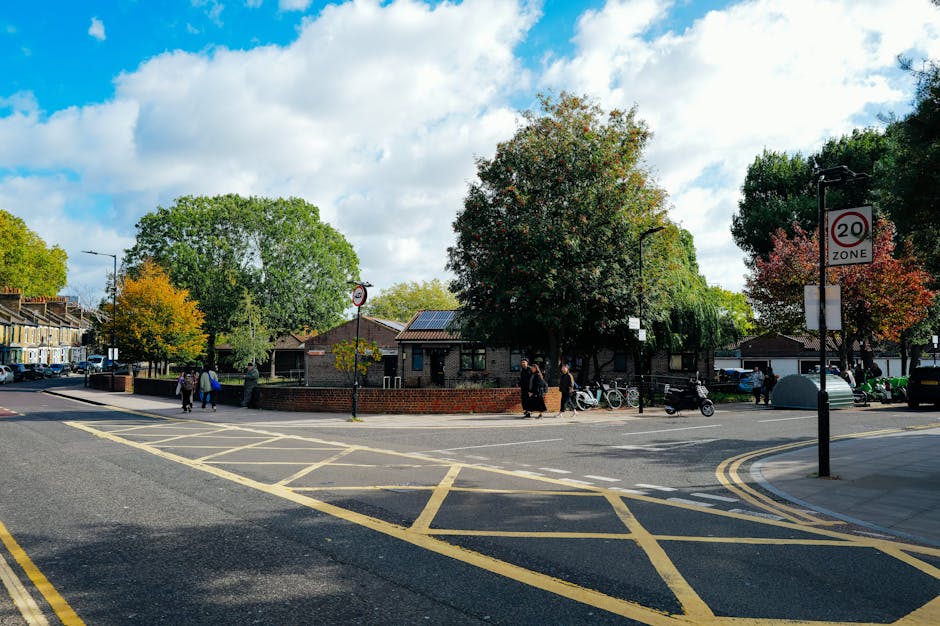
- Underestimating parking restrictions - the van may be legal where you think it is not, or inconvenient where you hoped it would be perfect.
- Packing too late - last-minute packing always produces mixed boxes, lost chargers, and mystery items from the back of a cupboard.
- Choosing the wrong service level - a small van can be fine, but not if the property is large or the furniture is heavy.
- Ignoring fragile-item prep - glass, lamps, frames, and screens need more than a blanket and hope.
- Forgetting a contingency plan - completion delays happen, especially in London property moves.
- Not checking terms and payment details - clarity matters, especially on deposits, timings, and included services. The fine print is not glamorous, but it is useful.
Another mistake is thinking every move should be handled the same way. A student flat move, a family home move, and an office relocation all need different levels of support. If your situation is more specialised, the relevant pages on student removals Dulwich, office removals Dulwich, or furniture removals Dulwich are worth considering.
Tools, Resources and Recommendations
You do not need a van full of gadgets to move well, but a few practical tools make life easier. Here is the kit that usually earns its keep:
- Strong boxes in a range of sizes
- Packing tape and a decent tape dispenser
- Marker pens for clear room labels
- Bubble wrap or other protective packing materials for fragile pieces
- Blankets and furniture covers for larger items
- Tools for dismantling beds or shelving
- Zip bags for screws, fittings, and cable ends
As for recommendations, start with the service that fits the job rather than the one that sounds the most impressive. For smaller local moves, man with a van Dulwich can be practical. For general support across different move types, removal services Dulwich is a broader place to start. If you want a fuller picture of what the team can handle, the services overview is useful reading.
There are also helpful background pages worth keeping in mind. If you care about handling, protection, and peace of mind, the insurance and safety information is a sensible check. If timing is tight, a properly arranged move matters more than squeezing a job into the cheapest possible slot.
Law, Compliance, Standards, or Best Practice
Moving house in the UK is not usually a heavily regulated process in the way construction or healthcare might be, but good practice still matters. Reputable movers should work in line with sensible safety expectations, appropriate insurance cover, and clear service terms. If you are hiring help, ask straightforward questions about handling, liability, and what is included on the day.
From a practical compliance point of view, there are a few basics worth watching:
- Safe lifting and handling - heavy items should be moved with care, suitable equipment, and enough manpower.
- Public and property protection - floors, doorways, and furniture should be protected where needed.
- Clear booking terms - timings, payment, and service scope should be understandable before the move starts.
- Respect for access and neighbours - good movers keep disruption to a sensible minimum.
- Data and payment security - any personal details or payment processing should be handled carefully. If you want to review how this is approached, see payment and security.
If you are comparing providers, the most useful question is not "Who is cheapest?" but "Who is most suitable for this specific move?" That is a much better filter. If you want to understand the business side of a provider before booking, about us can help you judge the approach, while the terms and conditions page helps you understand expectations more clearly.
There is also a sustainability angle. Careful packing, sensible loading, and responsible disposal all reduce waste. If you are decluttering before a move, the recycling and sustainability information is worth a look. Small practical choices add up.
Options, Methods, or Comparison Table
Below is a simple comparison to help you choose the right moving approach for SE21. The best option depends on property size, access, and how much help you want.
| Option | Best for | Strengths | Watch-outs |
|---|---|---|---|
| Man and a van | Small flats, light loads, flexible local moves | Simple, practical, usually efficient for short-distance work | May not suit bulky furniture or larger households |
| Removal van | Moderate-sized moves with more furniture | More space, better for fuller loads | Needs enough access and sensible parking |
| Full house removals | Family homes, multi-room properties, larger inventories | Better handling, more capacity, more structured support | Usually needs more planning and coordination |
| Storage-assisted move | Staggered move dates or downsizing | Reduces pressure when dates do not line up perfectly | Needs extra organisation and planning |
| Same-day removals | Short-notice situations | Fast response when timing becomes urgent | Availability can be limited and packing must be ready |
For some people, the right answer is a blend of services. A local move might use a van plus packing help, or a house removal with short-term storage for overflow items. That kind of flexible approach is often the most realistic one.
Case Study or Real-World Example
Picture a couple moving from a first-floor flat into a two-bedroom house in SE21. They have a sofa, a dining table, a bed frame, several fragile lamps, and a few boxes of books that somehow became much heavier than they looked. They also have a move-in window that depends on completion timing. Classic London problem.
Instead of trying to do everything with a random vehicle and last-minute packing, they split the move into stages. First, they booked a flexible local service suited to the load. Then they packed essentials separately and labelled each box by room. They measured the sofa before moving day and realised, with some relief, that it would fit through the hallway if turned at an angle. That tiny detail saved a lot of stress.
On the day, the vehicle was positioned as close to the property as possible without blocking the street. The crew moved furniture first, then fragile boxes, then the remaining items. By late afternoon, the key rooms were usable, the kettle was out, and there was at least one chair to sit on. Not glamorous, but proper progress.
The important lesson? The best moving outcomes usually come from planning the boring bits well. And honestly, that is where most of the magic happens.
Practical Checklist
Use this checklist in the final week before your move:
- Confirm moving date, access time, and arrival window
- Check parking and street access outside both properties
- Measure large furniture and note any awkward items
- Pack an essentials box for the first 24 hours
- Label all boxes by room and priority
- Set aside documents, keys, chargers, and valuables
- Protect fragile items with proper wrapping
- Notify the moving team of stairs, lifts, or access restrictions
- Arrange storage if completion dates do not align
- Keep payment and booking details accessible
If your move is getting close and you still feel behind, do not panic. Start with the essentials, clear the access route, and get the largest items under control first. Everything usually becomes more manageable after that.
Get a free quote today and see how much you can save.
Conclusion
Moving to SE21 in Dulwich is easier when you treat it like a local project, not just a transport job. The street layout, access patterns, and property types all influence what works best, whether you are moving a flat, a family house, or something in between. With the right planning, the right service level, and a sensible packing approach, you can keep the day calm and efficient.
If one thing stands out from this guide, let it be this: the move gets easier when you think locally and act early. Check the street, match the service to the job, and give yourself a little breathing room. That bit of care really does show on moving day.
And once the boxes are in, the kettle is on, and the door closes behind the last delivery, the new place starts to feel like home. That is the part people remember.