East Dulwich Lordship Lane removals access and parking tips
Posted on 14/07/2026
Moving on or around Lordship Lane is rarely a simple case of turning up, unloading, and getting on with the day. East Dulwich has its own rhythm: busy school runs, narrow side streets, terrace homes with awkward frontages, and stretches of high street traffic that can make a perfectly ordinary removal feel a bit more complicated than expected. If you are looking for practical East Dulwich Lordship Lane removals access and parking tips, this guide walks you through the real-world details that matter, from vehicle positioning and timing to access planning, parking strategy, and those small decisions that save a lot of stress later.
Truth be told, most moving-day problems in this part of Dulwich are not caused by the packing. They start earlier, with access assumptions. Can a van stop where you think it can? Will the crew have room to manoeuvre? Is there enough space for a sofa, a mattress, and the inevitable last-minute box that someone always remembers at the door? Let's make it easier.
Why East Dulwich Lordship Lane removals access and parking tips Matters
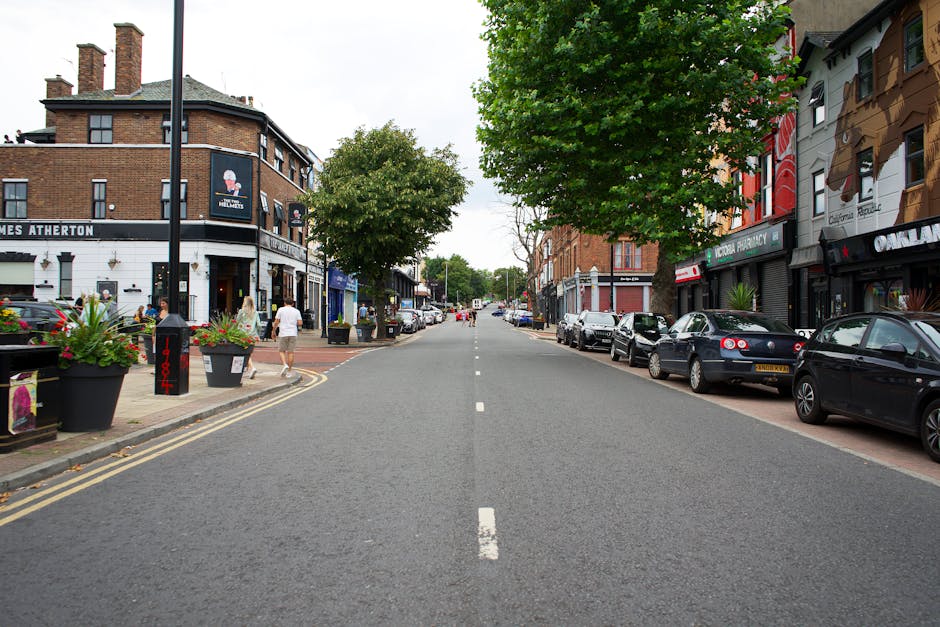
Lordship Lane sits in a lively part of East Dulwich, which is wonderful for day-to-day life but not always kind to large vehicles on moving day. Delivery bays may already be in use, side streets can be tight, and traffic tends to build at the exact moment you would prefer it not to. If you are moving from a flat above a shop, a maisonette on a side road, or a family house with limited frontage, parking and access planning becomes part of the job, not an afterthought.
A removal can be delayed by something small: a van positioned too far from the entrance, a narrow bend blocked by another vehicle, or a stairwell that turns a simple carry into a careful puzzle. That is why access planning matters so much. It protects your schedule, your belongings, and everyone's temper. And yes, moving day is already emotional enough without someone circling the block muttering at a double-parked hatchback.
For people settling into the area, or leaving it after years on the lane, this is also about local awareness. East Dulwich is full of character. You will notice long residential terraces, mixed-use high street buildings, and a steady flow of walkers, cyclists, parents with buggies, and people just trying to get a coffee before the day runs away with them. A good removals plan has to respect that reality.
Expert summary: the smoother the parking plan, the faster the loading process. The faster the loading process, the lower the risk of damage, overtime, and last-minute improvisation.
If you want more context on moving in the wider local area, the guides on moving in SE21 street-by-street and local removals insights near Dulwich are useful companions.
How East Dulwich Lordship Lane removals access and parking tips Works
The practical side of access planning usually starts with three things: the property layout, the vehicle size, and the parking conditions outside the address. Once those are understood, the rest is about matching the right kind of removal approach to the space available.
In a typical Lordship Lane move, the team will think through questions like these:
- Can the removal vehicle stop close enough to the entrance for efficient loading?
- Is the street wide enough for safe door opening and manoeuvring?
- Will another vehicle, bin collection, or local traffic pattern interfere?
- Are there stairs, tight hallways, or shared entrances that slow down carrying?
- Does the move need a smaller van, a larger lorry, or a shuttle-style approach?
That is the basic logic. Simple on paper. A little more complicated in the real world. A van parked ten metres closer can shave meaningful time off a job, especially when there are heavy items or multiple trips. But even if the vehicle cannot get directly outside, a good plan can still work well if the route from van to property is short, clear, and safe.
Access planning also changes depending on the type of move. For a flat removal, narrow staircases and shared entrances often matter more than the street itself. For a house removal, frontage width and the ability to keep a van stationary for loading may be the bigger issue. For office or commercial moves, you may need to think about staff access, building management, or timed loading windows. If you are comparing service types, the pages on flat removals and house removals in Dulwich are relevant starting points.
One small but important point: access is not just physical. It is also logistical. If you know the day will involve keys, building fobs, timed handovers, or a chain of movers and cleaners coming through after you, parking has to be linked to the whole timetable. Otherwise everything starts to wobble. And once it wobbles, it usually keeps wobbling for a bit.
Key Benefits and Practical Advantages
Getting the access and parking side right is not glamorous, but it pays off quickly. A well-planned move on Lordship Lane or nearby streets can feel calmer, safer, and oddly more controlled than you expected. That matters more than people think.
- Less wasted time: the crew can start loading sooner when the van is in the right place.
- Lower damage risk: shorter carry distances mean fewer chances to knock a wall, scratch a bannister, or strain a heavy item.
- Fewer complaints from neighbours: nobody enjoys being the household that blocks the road for half the morning.
- Better scheduling: when parking is sorted, the rest of the move tends to stay on track.
- Less physical strain: your movers are doing the lifting, but even they perform better when they are not dragging items half a street away.
There is also a financial angle. A move that runs slowly because the van keeps relocating or the team has to improvise around poor access may take longer than planned. Even where costs are fixed, delays can create stress and complicate handover timing. If you are comparing options, it helps to read about pricing and quotes so you understand how time, vehicle choice, and access can influence the final plan.
In our experience, customers often feel more relaxed once they know there is a parking plan. The uncertainty is the hard part. Once that disappears, the move becomes much more manageable. Not effortless, let's be honest, but manageable.
Who This Is For and When It Makes Sense
This topic is relevant to anyone moving in East Dulwich, but it is especially useful if your property is near Lordship Lane itself or on one of the nearby roads feeding into it. The benefits become obvious when access is tight, the move involves bulky furniture, or timing is already under pressure.
You will likely need this advice if you are:
- moving from a flat above a parade of shops;
- moving into a terrace with limited frontage;
- handling a family move with larger furniture and more boxes;
- arranging a same-day or short-notice relocation;
- moving a student or a one-bedroom flat with only a small loading window;
- co-ordinating an office, studio, or shared workspace move;
- dealing with items that need extra care, such as pianos or fragile furniture.
If your move is lighter and more flexible, a smaller vehicle may suit you better. If you have larger items or tricky stairs, specialist help is worth considering. For example, a customer moving from a compact flat with a few larger pieces may find man and a van support more efficient than arranging a big vehicle unnecessarily. On the other hand, a home with multiple bedrooms and several heavy items may suit a more structured approach like furniture removals.
To be fair, most people do not need a lecture on removal theory. They need to know whether their sofa can get out, where the vehicle can wait, and who is responsible for what if the street gets busy. That is the real question.
Step-by-Step Guidance
Here is a practical way to plan a Lordship Lane move without overcomplicating it.
- Check the property frontage. Look at how close a van could realistically get to the door. Note railings, steps, trees, slopes, or awkward corners.
- Walk the route from property to vehicle. Imagine carrying a mattress, a chest of drawers, or a packed box of books. If the route feels annoying on foot, it will feel worse when you are tired.
- Observe the street at the likely moving time. Early morning, school run, lunch time, and late afternoon can all feel very different in East Dulwich.
- Decide what vehicle size makes sense. Bigger is not always better. A slightly smaller van in the right place may be more practical than a large one that cannot settle close to the property.
- Reserve clear loading space where needed. If the street is busy, arrange parking carefully and communicate the plan early. If you can only stop briefly, make that part of the schedule from the start.
- Protect walkways and entrances. Door frames, floors, and banisters deserve a bit of attention. They are often the first casualties of a rushed move.
- Keep essential items separate. Documents, chargers, keys, medication, and a kettle if you are sensible. You will thank yourself later.
- Build in a time buffer. Even a good plan can meet a traffic snag, a neighbour's parked car, or a key delay. A buffer keeps the whole day from feeling brittle.
If storage is part of the process, perhaps because completion and handover dates do not line up neatly, it can help to look at storage in Dulwich. A temporary storage stop can remove pressure from a very tight moving day.
One practical micro-moment: if you are moving from a first-floor flat on a warm day, the stairwell can get stuffy fast. Keep doors open only as needed, and keep the flow moving. Nobody loves standing in a narrow hall with a wardrobe balanced on an ankle. Nobody.
Expert Tips for Better Results
Here are the little things that make a surprisingly big difference around East Dulwich and Lordship Lane.
- Book the right time of day. If you have flexibility, avoid peak traffic and school-run pressure. Early morning can be calmer, but not always. A quick look at the street pattern in advance helps.
- Think in carry distance, not just parking distance. A van "nearby" may still be too far if the route includes steps, turns, or a busy pavement.
- Use smaller packing units for heavy items. Books in smaller boxes, not one heroic monster box. Your back will notice.
- Prepare a front-door landing zone. Keep the immediate entry area clear so movers can work safely and quickly.
- Label awkward items clearly. If something needs a careful carry or must stay upright, say so.
- Tell neighbours if needed. A simple heads-up can reduce friction when a loading bay or narrow section of road will be used briefly.
- Match the service to the job. A compact move may only need a van and flexible loading support. A larger home move may need a broader removals service with more hands.
If you are still comparing approaches, the overview at services overview gives a useful sense of the different kinds of moving help available. And if your move involves fragile, valuable, or unusually shaped pieces, it is worth checking the dedicated piano removals guidance, even if you are not moving a piano. The level of care described there is a good benchmark for tricky items.
A small, slightly old-school tip: keep a pen in your pocket. There is always a moment when you need to label a box, scribble a flat number, or write down a key handover detail. Old habits, but useful ones.
Common Mistakes to Avoid
Most removals problems around Lordship Lane are predictable, which is both annoying and reassuring. Predictable means avoidable.
- Assuming the van can park outside the door. It might, but do not bank on it.
- Ignoring loading restrictions or local traffic patterns. A space that looks fine at 7am may be gone by 8am.
- Underestimating staircases and narrow entrances. This is where a smooth move can suddenly become very slow.
- Packing too many heavy items into large boxes. Classic mistake. Painful too.
- Leaving access questions until moving day. By then, you are reacting instead of planning.
- Not accounting for neighbours and shared spaces. Shared entrances, common hallways, and front steps need respect.
- Choosing vehicle size before checking the street. Bigger may sound safer, but access is what matters.
Another common issue is forgetting that access is a chain reaction. If the van cannot stay put, loading slows down. If loading slows down, keys may be handed over late. If keys are late, the rest of the day feels rushed. It is all connected, a bit annoyingly.
Tools, Resources and Recommendations
You do not need fancy equipment to plan a good move, but a few practical tools help.
- A phone camera: take photos of the frontage, stairs, access route, and any awkward bits. Useful for planning and for the moving team.
- Measuring tape: check door widths, hallway tight spots, and whether larger furniture will pass cleanly.
- Box labels and marker pens: not glamorous, but absolutely worth it.
- A simple floorplan or room list: helps the team place items quickly on arrival.
- Clear communication notes: key contact, arrival window, parking assumptions, and any building rules.
For people wanting a better feel for the local moving environment, the local stories at a resident's insight into Dulwich and Dulwich's character and calm are helpful background reads. They are not parking manuals, obviously, but they do paint a picture of the area and its pace.
If you are weighing move types, the pages on removals in Dulwich and removal services can help you compare broader support options. A smaller or more flexible job may suit man with van support, while a more structured move may need something closer to full removal company support.
Law, Compliance, Standards, or Best Practice
Parking and loading around East Dulwich are not just about convenience. They also sit within ordinary UK rules of the road, local parking controls, and common-sense duty of care. You do not need to become a traffic lawyer, thankfully, but you do need to avoid assuming that hazard lights make everything acceptable. They do not. Shocking, but true.
As a general best practice, removals teams should avoid unsafe stopping, blocking access, or placing people at risk while carrying heavy items across traffic or narrow pavements. If any parking bay, permit requirement, or time restriction applies, it should be checked in advance rather than guessed on the day. Where building management or leasehold rules exist, those should also be followed carefully.
Health and safety matters too. Careful lifting, sensible load planning, and a clear route from property to vehicle reduce the risk of slips, knocks, and strain. If you want to see how a professional approach is framed, the pages on health and safety policy and insurance and safety are relevant to the kind of standards customers should expect from a removals provider.
It is also worth being practical about liability and expectations. If a street is exceptionally tight, the most sensible solution may be a smaller vehicle, extra carrying time, or a staged load rather than trying to force an oversized plan to work. That is not a failure. That is just good judgement.
Options, Methods, or Comparison Table
Different moves need different approaches. Here is a simple comparison to help you decide what may fit best.
| Approach | Best for | Strengths | Limitations |
|---|---|---|---|
| Small van / flexible access | Studios, one-bed flats, lighter loads | Easier to park, easier to manoeuvre, often quicker in tight streets | May require more trips if the load is larger than expected |
| Standard removal van | Typical flat or house moves | Balanced capacity, good for general household loads | Parking can be harder on busy roads if the space is limited |
| Full removal team | Family homes, heavy or bulky items, complex access | More hands, more organisation, better for awkward carries | Needs more planning and may depend on stronger loading access |
| Storage-led move | Staggered handovers, delayed completion, decluttering | Reduces pressure on one moving day | Requires extra coordination and usually more steps |
If you are a student or moving from a smaller property, the timing and access needs may be quite different. In that case, student removals can be more appropriate, especially if the move is quick and only involves a few large bags and boxes. If you are moving just a single room or a smaller load, a removal van may be enough.
There is no one-size-fits-all answer. The right option is the one that fits the street, the building, and the amount of stuff you actually own, not the amount you wish you owned.
Case Study or Real-World Example
Consider a fairly typical East Dulwich move: a two-bedroom flat just off Lordship Lane, second floor, with a narrow shared stairwell and limited on-street parking. The occupier had a sofa, a bed frame, two wardrobes, a dining table, and what turned out to be many more books than anyone had planned for. A classic case.
The first version of the plan assumed the van could park directly outside for the whole morning. In reality, that space was in regular use, and the street was busier than expected. The improved plan shifted the loading window earlier, used a smaller vehicle, and cleared the route from front door to pavement before the movers arrived. The result was not magical, just better organised.
What made the biggest difference?
- confirming the likely parking position before moving day;
- staging the furniture near the exit so the team could work in sequence;
- separating fragile boxes from heavier household items;
- keeping the stairwell clear and the front door unblocked;
- having keys, meters, and final checks ready at the end.
The move still took effort. It was still a moving day. But it avoided the worst kind of friction: repeated van repositioning, confused carrying routes, and that horrible feeling that nobody is quite sure what happens next. A little planning made it feel like a job with a shape.
That is usually the point. Not perfection. Just a move that behaves itself.
Practical Checklist
Use this before moving day if you want fewer surprises.
- Check where the van can realistically stop.
- Confirm whether the street is likely to be busy at your chosen time.
- Measure the main doors, stair turns, and any narrow access points.
- Decide whether a small van or larger removal vehicle is the better fit.
- Keep the loading route clear inside and outside the property.
- Pack heavy items into smaller boxes.
- Label fragile, upright, and priority boxes clearly.
- Set aside essentials for the first night.
- Tell neighbours if access may be briefly impacted.
- Keep a buffer in the schedule for delays or key handover issues.
- Take photos of tricky access areas for reference.
- Ask about insurance and safety expectations if you are unsure.
If your move is more complex, or if you are comparing removal styles, you may also find the guidance on packing and boxes helpful. Good packing makes access planning easier because the carry is safer and faster. Simple really, but easy to overlook.
Conclusion
East Dulwich and Lordship Lane can be a brilliant place to move to or from, but the local streets reward good planning. The best East Dulwich Lordship Lane removals access and parking tips are not complicated: know the street, think about carry distance, pick the right vehicle size, and build in a bit of breathing room. Do that, and the day usually feels far less chaotic.
There is always some unpredictability in a London move. A car appears, a gap disappears, someone forgets a key, the weather shifts. That is life. But a decent access plan turns those little surprises into annoyances, not disasters. And that is a very different thing.
If you are planning a move soon, keep the focus on the practical details now so the actual day feels lighter later. It does not have to be perfect to be smooth.
Get a free quote today and see how much you can save.