North Dulwich station removals best routes for removal vans
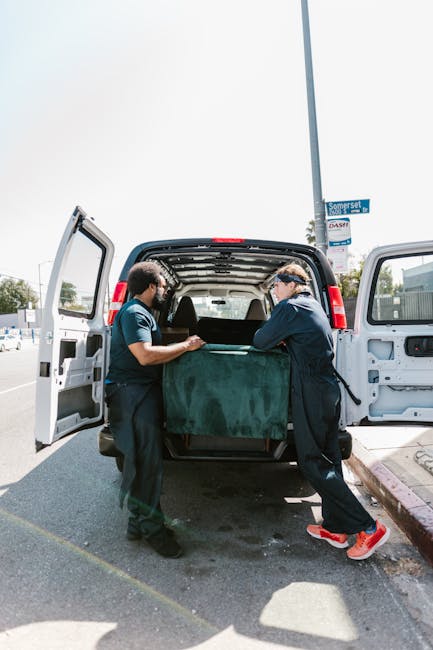
If you are planning a move near North Dulwich station, the route your removal van takes can matter just as much as the packing. Narrow streets, parked cars, school-time traffic, and awkward turns can all slow things down or make a straightforward job feel a bit fraught. This guide to North Dulwich station removals best routes for removal vans explains how to plan smarter, avoid common access problems, and choose the most practical route for moving day.
You will find route-planning advice, local access considerations, practical move-day steps, and a few hard-won tips that help keep things calm. To be fair, most moves run better when the route is decided before the kettle is even boiled.
Why North Dulwich station removals best routes for removal vans Matters
North Dulwich is one of those London spots where a move can look easy on paper and then become surprisingly fiddly on the day. The station area sits within a busy residential part of Dulwich, and that usually means a mix of parked cars, tight side roads, commuters, and the kind of timing issues that only show up when a van is already half-loaded. If you choose the wrong approach, you can lose time without realising why.
For removal vans, route choice affects three things straight away: access, time, and safety. A route that looks shortest on a map is not always the best one for a larger vehicle. Sometimes the smarter option is the slightly longer road with better width, fewer pinch points, and room to stop without blocking everything. That sounds obvious, but in the real world people often forget it until the back door is already open.
It also matters because North Dulwich station is a working transport hub. Nearby streets can feel very different depending on the time of day. Early mornings may be calmer for loading, while later hours may be better for road conditions but worse for parking. If you are moving a family home, a flat, or even a small office setup, route planning helps you avoid the classic moving-day scramble.
For local households, it can be the difference between a clean one-trip process and a frustrating stop-start day. For movers, it is the difference between looking prepared and spending half the morning doing awkward three-point turns. Nobody enjoys that. Not really.
Expert summary: The best route for a removal van near North Dulwich station is usually not the shortest route, but the one with the fewest restrictions, the easiest approach to the property, and the least chance of blocking traffic or damaging property.
How North Dulwich station removals best routes for removal vans Works
Route planning for removal vans near North Dulwich station starts before the van leaves the depot. A good mover checks the property access, identifies road width, thinks about turning space, and looks at where the van will actually stop to load or unload. That might sound like overkill until you have a wardrobe, a mattress, and a tight kerb all in the same sentence.
The process is usually simple in principle:
- Identify the start and end addresses.
- Check whether the vehicle size matches the road layout.
- Look for parking restrictions, busier junctions, and one-way sections.
- Choose the route that gives the van the cleanest entry and exit.
- Set a loading point that does not block the road or the pavement.
- Allow extra time for traffic, lifts, stairs, or distance from the door to the van.
What makes North Dulwich tricky is that the best route can vary by property type. A ground-floor flat near the station may need a different approach from a terraced house a few streets away. A route that works beautifully for a small man and van job may not suit a larger lorry-style vehicle, especially if the road narrows near parked cars or bends unexpectedly.
If you are arranging a bigger household move, you may want the broader support of house removals or home moves rather than just transport. That gives you more flexibility if access turns out to be tighter than expected. For flats, flat removals are often the most sensible option because they take stairwells, lifts, and access constraints into account from the start.
A good route plan also considers the return journey. It is easy to focus only on getting the van to the property, but the exit matters too. If the van has to reverse into a narrow street after unloading, your entire schedule can drift. In busy Dulwich streets, that drift tends to snowball. A few minutes here, another five there, and suddenly everyone is staring at the clock.
Key Benefits and Practical Advantages
Choosing the best route for a removal van near North Dulwich station brings practical benefits that go beyond simple convenience. The biggest one is time savings. Less backtracking, fewer pauses, and cleaner access all help the move run at a steadier pace. That is good for customers and good for crews, which is why experienced teams care so much about route choice in the first place.
There is also a safety advantage. Better routes usually mean fewer risky manoeuvres, less reversing, and a lower chance of brushing walls, gates, mirrors, or parked cars. In a built-up area, that matters more than people think. A careful route can prevent a small headache from becoming a genuine problem.
Another advantage is reduced stress. If the van can park close enough to the property, the loading team spends less time carrying heavy furniture long distances. That can make a noticeable difference on move day, especially if there are stairs or awkward items. The whole job feels less punishing. And yes, your shoulders will thank you later.
Some of the practical advantages are easy to miss:
- Better timing around school runs and commuter peaks
- More predictable loading and unloading
- Lower risk of parking disputes
- Less chance of delays from road width issues
- More efficient handling of bulky items
- Cleaner coordination with storage or second-drop moves
If your move involves furniture that is awkward, fragile, or simply too much to wrestle with alone, it can help to combine route planning with furniture removals or removal services. That way, the logistics and the lifting are aligned rather than handled as two separate problems. Which, let's face it, they usually are not.
Who This Is For and When It Makes Sense
This topic is useful for anyone moving to or from the North Dulwich station area, but it is especially relevant if you are dealing with limited road space, timed access, or a larger vehicle. If you are just shifting a few boxes in a car, route strategy is less of a big deal. Once a van is involved, the picture changes quickly.
It makes particular sense for:
- Families moving house near the station
- Flat dwellers with tight stair or corridor access
- Students shifting between term-time accommodation
- Small businesses relocating equipment or stock
- People using a same-day move service
- Anyone needing storage as part of a staged move
For students and smaller moves, a vehicle from student removals or man with van can be ideal if the route is simple and parking is manageable. For business moves, a more structured approach through commercial moves or office removals is often better because timing, equipment, and access windows tend to matter more.
It also makes sense if you are planning around an exact date and cannot afford guesswork. That is where route planning, vehicle size, and access checks all come together. Not glamorous, but incredibly useful.
Step-by-Step Guidance
Here is a practical way to approach North Dulwich station removals best routes for removal vans without overcomplicating it. Keep the process calm and systematic. That is the trick.
- Start with the property, not the map. Check whether the van can stop near the entrance, whether the road is narrow, and whether there is room to turn.
- Measure the awkward bits. Doorways, stairwells, parking gaps, low branches, and tight corners matter more than people expect.
- Choose a van size that fits the route. Bigger is not always better. A slightly smaller vehicle can be a smarter choice if the streets are tight.
- Plan loading and unloading points. Decide where boxes will go, where larger items will sit, and whether the van can wait safely.
- Avoid peak pressure times where possible. School start and finish times, commuter waves, and busy shopping periods can all slow things down.
- Keep the first load simple. Put essentials, fragile items, and the most awkward furniture somewhere easy to reach.
- Build in a buffer. A move near a station often runs more smoothly when you allow extra time for parking or short carry distances.
If you need packing support, combining the move with packing and boxes or packing and unpacking services can make a surprising difference. A well-packed van is easier to route around tight corners, because you are not wasting time re-stacking things every ten minutes.
A small real-world example: a one-bedroom flat move near the station may look straightforward, but if the van cannot park close enough to the building, the crew ends up making repeated short trips up and down the pavement. That is where your carefully planned route suddenly becomes a labour issue as well as a transport issue.
Expert Tips for Better Results
Here is where experience pays off. The route itself matters, yes, but the surrounding decisions matter too. A move near North Dulwich station is often won or lost on small details. The quiet little things. They always are.
First, favour routes with cleaner turns. A road that is a little wider and a bit less direct is usually better than a shortcut with awkward bends. A van needs room to breathe. So do the people guiding it.
Second, keep your arrival window flexible. If you arrive too early, you may be sitting in the van waiting for access. Too late, and the day can feel rushed from the outset. Somewhere in the middle is better, and less annoying.
Third, think about your heaviest items first. If the van is carrying a piano, large wardrobes, or bulky drawers, route choice should account for how those items will be moved at both ends. For especially delicate or weighty belongings, a specialist service like piano removals can be the sensible option rather than improvising with a general vehicle.
Fourth, keep a backup plan. If a street is blocked, a delivery van is parked badly, or a loading bay is unavailable, you need an alternative stop point. Nothing dramatic. Just a second option in your pocket.
Fifth, use the right service for the job. A small, efficient move may suit removal van hire, while a larger or more complicated relocation may need a removal truck hire or a more complete service through removals. Matching vehicle to route is one of the easiest ways to reduce risk.
One more thing: if you are moving out of a property and into storage, route planning becomes a two-stage exercise. That is exactly where storage can help keep the move tidy, especially if completion dates or access times do not line up neatly.
Common Mistakes to Avoid
There are a few route-planning mistakes that crop up again and again around station areas. They are easy to make, honestly, but also easy to avoid once you know what to watch for.
- Relying on the shortest route. Shortest on a map does not mean easiest for a van.
- Ignoring parking restrictions. A perfect road is no good if the van cannot stay there long enough to load.
- Choosing a vehicle that is too large. Bigger vans can create more problems than they solve in tight residential streets.
- Forgetting the unloading side. The destination can be more awkward than the pickup point.
- Not allowing for traffic build-up. A station area can shift quickly from quiet to busy.
- Leaving packing until the last minute. Last-minute packing usually creates slow loading, and slow loading creates route pressure.
- Failing to tell the mover about access issues. If there is a narrow lane, a steep step, or a low tree branch, say so early.
The most expensive mistake is not always the biggest one. Sometimes it is the small oversight that creates a chain reaction. A van that has to park further away. A sofa that takes longer to manoeuvre. One delayed trip. Then another. Before long the schedule is wobbling.
Tools, Resources and Recommendations
You do not need fancy equipment to plan a good route, but a few practical tools make the job much easier. A measuring tape, a notebook, and a rough floor plan can save a lot of back-and-forth. Seriously, these basics do more than people give them credit for.
Useful things to have ready include:
- Room measurements for large furniture
- Photos of staircases, hallways, and external access
- Postcodes for both addresses
- Notes about parking or permit limitations
- Any time restrictions for loading or handover
- A list of delicate or valuable items
If you are comparing ways to handle the move, it can help to look at the broader service structure too. Some customers do best with man with a van for simple local moves, while others need the added support of house removalists for heavier lifting and more complicated handling. There is no prize for making it harder than necessary.
For those worried about costs, pricing and quotes is a sensible next stop. It helps you understand what affects the overall job, especially when access and vehicle choice influence the time required. Payment security also matters when booking online, and it is reassuring to know there is a dedicated payment and security page for that.
If you are sorting items you no longer want, you may also find furniture pick up and recycling and sustainability useful for deciding what should move with you and what should not.
Law, Compliance, Standards, or Best Practice
For moves around North Dulwich station, the most relevant compliance issues are usually practical rather than dramatic: parking restrictions, safe loading, vehicle access, and the general duty to avoid causing danger or obstruction. Local conditions can change, so it is wise to treat access as something to verify rather than assume.
Good removal practice in the UK normally means:
- Planning to avoid unsafe reversing where possible
- Respecting local parking and loading rules
- Protecting property, floors, and furniture during handling
- Using appropriate lifting methods for heavy or awkward items
- Keeping pathways clear for residents and pedestrians
If you are hiring movers, it is also sensible to check how they approach insurance, safety, and complaints handling. Clear policies are not just admin. They tell you how seriously a company takes the job. You can review pages such as insurance and safety, health and safety policy, terms and conditions, and complaints procedure to understand the standards behind the service.
For businesses, there is an added layer of responsibility around keeping staff, customers, and equipment safe during the move. That is one reason structured office relocation services can be more practical than trying to manage a relocation piecemeal.
Options, Methods, or Comparison Table
Different moves near North Dulwich station call for different approaches. The table below gives a simple comparison to help you choose.
| Option | Best for | Strengths | Possible limitations |
|---|---|---|---|
| Man with a van | Small local moves, a few rooms of furniture, quick collections | Flexible, economical, easier in tighter streets | Less suitable for larger volumes or heavy specialist items |
| Removal van | Standard household moves with moderate access challenges | Good balance of size and manoeuvrability | May still be awkward in very narrow roads |
| Removal truck hire | Larger loads or moves with more furniture | More capacity, fewer trips | Can be harder to position near restricted streets |
| Full removals service | Whole-house moves, complex access, heavier handling | Better planning, support, and coordination | Usually more involved to arrange |
| Storage-supported move | Staged moves, delayed completion, decluttering | Flexible timing, easier logistics | Requires extra planning and extra handling |
In simple terms, the tighter the access and the more delicate the move, the more valuable a structured service becomes. If your job is straightforward, a smaller setup may be perfect. If not, trying to save a little time or money upfront can cost you later. Bit of a false economy, really.
Case Study or Real-World Example
Consider a typical local move: a two-bedroom flat a short distance from North Dulwich station, with a large wardrobe, a sofa, several boxes, and a dining table. On paper, it looks like a quick morning job. In practice, the street outside is lined with parked cars, the turning space is limited, and the front door sits a little further from the road than expected.
A poor plan would send a large van down the narrowest approach road, hoping for the best. The better plan would identify a route with easier access, choose a van that can stop safely without blocking a junction, and schedule loading before the busiest part of the day. That approach might add a few minutes to the drive, but it saves a lot more time on site.
In a move like this, the difference often comes from simple coordination. Boxes are grouped by room, the heaviest items go in first, and the van is loaded in an order that matches the drop-off plan. No drama. No last-minute reshuffling. Just a cleaner process.
That same logic works for business relocations too. An office move with computers, chairs, and archive boxes can be managed far more smoothly when the route is chosen with vehicle size and loading access in mind. Sometimes the best route is not about speed at all. It is about not making the crew wrestle the street.
Practical Checklist
Use this checklist before moving day. It keeps the essentials in one place and helps avoid the usual surprises.
- Confirm the pickup and drop-off postcodes
- Check whether the van can park close to both properties
- Look out for narrow roads, bends, and low obstacles
- Note any parking restrictions or loading windows
- Measure large furniture and awkward items
- Decide whether a van, truck, or full removals service fits best
- Pack fragile items securely and label boxes clearly
- Keep essentials separate for easy access
- Tell the mover about stairs, lifts, or long carry distances
- Prepare a backup plan if the first parking spot is unavailable
- Check whether storage is needed between addresses
- Review insurance, safety, and payment details before booking
Quick practical tip: if you can stand outside the property at the time you expect the van to arrive, do it. You will notice access issues much faster from street level than from inside the hallway. It is a small thing, but it helps.
Conclusion
Finding the best routes for removal vans near North Dulwich station is really about balancing access, timing, and vehicle choice. The fastest route on a map is not always the best route in practice. What matters is the route that allows the van to arrive safely, park properly, load efficiently, and leave without hassle.
When you plan ahead, the move feels less like a firefight and more like a process. That is what good route planning does. It cuts noise. It reduces stress. And it gives you a much better chance of keeping the day on track, even if the road is busy or the parking is tight.
If you are organising a local move, it is worth taking the time to match the route, the vehicle, and the service level to the property itself. That one decision can change the whole tone of the day.
Get a free quote today and see how much you can save.
And once the last box is in place, you get that strangely lovely moment where the house goes quiet again. Fresh start, slightly sore arms, but quietly worth it.
Frequently Asked Questions
What is the best route for a removal van near North Dulwich station?
The best route is usually the one that gives the van the easiest access, safest turning space, and least chance of parking or loading problems. Shortest is not always best.
Why does route planning matter so much for moves near the station?
Station areas tend to have more traffic variation, parked cars, and timing pressure. Good route planning helps avoid delays, unsafe manoeuvres, and long carries from the van to the property.
Should I choose a smaller van for a move near North Dulwich?
Sometimes, yes. A smaller van can be easier to place in narrow streets and may reduce the chance of access issues. The right choice depends on the amount you are moving and the road layout.
Is a man with a van enough for a local move here?
It can be, especially for smaller moves, student relocations, or lighter household jobs. For bigger homes or awkward access, a fuller removals service may be more suitable.
What if parking near my property is limited?
If parking is limited, you may need to plan a legal loading point nearby, allow extra time, and choose a van size that can stop safely without causing problems. Tell the mover in advance.
Do I need storage if my move dates do not line up?
Storage can be very useful if there is a gap between leaving one property and moving into the next. It also helps if you want to declutter before the move.
What are the most common access problems around station moves?
The common ones are narrow roads, parked vehicles, limited turning room, restricted loading space, and heavier traffic at certain times of day.
How can I make loading faster on move day?
Pack boxes clearly, keep essentials separate, disassemble furniture where sensible, and make sure the mover knows which items are most awkward. Good prep saves a lot of time.
Are office moves handled differently from home moves?
Yes. Office moves often need tighter timing, more equipment care, and better coordination. Services such as office relocation services are better suited to that kind of job.
What should I check before booking a mover?
Check insurance, safety practices, terms, payment security, and whether the company offers the right service type for your move. Those details matter more than the headline price alone.
Can I combine furniture collection with my move?
Yes, if it fits the schedule and the vehicle space. Services like furniture pick up can be helpful when you are moving and clearing out at the same time.
How far in advance should I plan the route?
The earlier the better, especially if the move involves tight roads, a larger vehicle, or timed access. Even a quick site check the day before can make a real difference.