Avoid hidden extras in Dulwich removals quotes
Getting a removals quote should feel straightforward. You share what needs moving, the mover gives you a price, and you plan the day with a bit of relief. In reality, though, many people only discover the awkward bits later: charges for stairs, parking, waiting time, packing materials, long carries, or access issues that were never clearly explained. If you want to avoid hidden extras in Dulwich removals quotes, the key is not just finding the cheapest number on the page. It is understanding what that number actually includes.
This guide breaks down how to spot extra charges before moving day, what to ask, how to compare quotes fairly, and which details matter most in Dulwich, where narrow streets, controlled parking, and awkward access can turn a simple move into a not-so-simple one. Truth be told, most quote surprises are preventable if you know where to look.
Why this matters
Hidden extras are frustrating because they do more than raise the bill. They also make it hard to trust the company you hired. A quote that looks competitive at first can become expensive once add-ons appear for things you assumed were standard. That is especially annoying when you are already juggling keys, boxes, children, pets, work deadlines, or the general chaos that comes with moving house. Been there? Most people have.
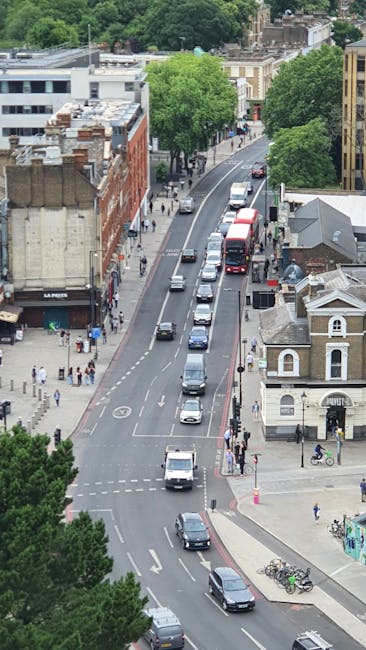
In Dulwich, there is another layer to the problem. Streets can be busy, parking can be tight, and access can vary a lot from one property to the next. A flat on a main road is not the same as a terrace with a narrow entrance and a long walk from the van. If those details are not handled properly at the quoting stage, the final price can drift. Sometimes a little. Sometimes a lot.
Clear pricing helps you compare removal companies on a like-for-like basis. It also lets you choose the right level of service, whether you need a full house move, a smaller man and van option, or something more tailored like flat removals. The point is not to pay more. The point is to know why you are paying it.
How removals quotes can hide extras
Most removal quotes are built from a few core variables: volume, distance, labour, vehicle size, timing, and access. The issue is that some companies present a simple headline price without fully spelling out what sits behind it. That is where hidden extras creep in.
For example, a quote might cover loading, transport, and unloading, but not include packing materials, dismantling furniture, carrying items from an upper floor, or waiting time if the property is not ready. Another mover may include more in the first figure, so the numbers look different when they are not really comparable. A neat-looking quote can be misleading if the fine print is doing the heavy lifting. Slightly cheeky, really.
In practical terms, it helps to ask what is included in the base rate and what triggers an additional charge. Common examples are:
- stairs or no lift access
- long carry distances from door to van
- parking permits or parking-related delays
- heavy items such as pianos or oversized furniture
- packing, wrapping, and box supply
- disassembly and reassembly of furniture
- storage between moving out and moving in
- same-day or short-notice bookings
- waiting time if completion runs late
If you are comparing services such as home moves, office removals, or student removals, the same principle applies: ask what the quote includes before you start comparing totals. It sounds obvious, but people skip this step all the time.
Key benefits of quote clarity
A transparent quote gives you much more than a predictable bill. It changes how you plan the entire move.
First, it protects your budget. If you know upfront that packing, storage, or heavy-item handling costs extra, you can decide whether to bundle those services or handle them yourself.
Second, it helps with timing. A move with strict completion times needs a tighter plan than one where you can spread things out. Clear pricing is usually a sign that the mover has thought about the logistics properly.
Third, it reduces stress. There is something oddly comforting about knowing the van, the team, and the likely charges before the first box is lifted. You can breathe a bit easier.
Fourth, it makes service quality easier to judge. A good quote should feel tailored. If it looks copy-pasted or oddly vague, that is a small warning light. Not always a deal-breaker, but worth noticing.
Fifth, it improves fairness. When every provider is quoting on the same basis, you can compare value rather than just price. That is especially useful if you are also considering options like packing and unpacking services, storage, or a more vehicle-led solution such as removal van hire.
Who needs this approach
This is for anyone who wants to keep control of moving costs, but some people benefit more than others.
- Homeowners and tenants: Especially if the property has stairs, awkward access, or parking restrictions.
- Flat movers: A top-floor flat can change the labour required quite a bit, even if the move itself is short.
- Families: More furniture, more packing, more coordination, more chances for small surprises.
- Students: Even smaller moves can pick up extras if timing, access, or storage is involved.
- Business owners: Office moves can involve desks, IT equipment, schedule pressure, and after-hours work.
- Anyone moving bulky items: For things like a piano or large wardrobes, special handling often matters.
If you are comparing a full-service option with a smaller support option like man with van or removal services, knowing the likely extras becomes even more useful. The right service is not always the biggest one. It is the one that fits the move properly.
Step-by-step guidance
Here is a practical way to reduce the risk of unexpected charges. Simple, but effective.
- List everything that is moving. Include furniture, boxes, awkward items, garden pieces, white goods, and anything especially heavy.
- Describe access honestly. Mention stairs, lifts, long hallways, narrow entrances, basement storage, rear access, and parking limitations. If the van cannot park close by, say so.
- Ask what the quote includes. Do not assume packing materials, dismantling, or waiting time are covered.
- Request the charge triggers in writing. A good mover should be able to explain when extras apply and how they are calculated.
- Compare quotes on the same basis. One quote may include more labour or materials than another. Don't compare apples with pears.
- Check the booking conditions. Look at cancellation terms, minimum charges, payment timing, and whether deposits are refundable.
- Confirm the day-of details. Recheck arrival windows, the final inventory, and any parking arrangements a day or two before moving.
A small example: if you live in a Dulwich flat with no lift and a long carry from the road, mention it before the quote is issued, not after the team arrives. That one detail can change the labour plan significantly. If you wait until moving day, the conversation becomes a lot less pleasant.
If you need packing support, it is also worth reviewing the scope of packing and boxes and whether the service is part of the package or charged separately. Packing often looks minor until the clock starts ticking.
Expert tips for better results
In our experience, the best way to avoid hidden extras is to think like a mover for five minutes. What would make the job harder? What would increase labour, time, or risk? If you surface those details early, you are already ahead of most customers.
- Take photos of access points. Doorways, stairwells, parking spaces, and the route from property to street can all matter.
- Be precise about fragile or specialist items. A piano, artwork, or delicate furniture usually deserves specific handling.
- Ask for a written breakdown. Even a simple itemised list is better than a one-line total.
- Clarify timing pressure. If completion is same-day or uncertain, ask how waiting or rescheduling is charged.
- Check whether VAT is included. This sounds boring, but it is one of those tiny details that can alter the final figure.
- Keep one point of contact. Fewer mixed messages means fewer surprises.
Another practical tip: if you are moving from a smaller property, such as a studio or one-bed flat, do not assume a cheap quote is automatically fair. Sometimes a low headline price only stays low if the move is very straightforward. One awkward parking issue can change that quickly. A bit annoying, yes, but avoidable.
Common mistakes to avoid
Most quote problems come from the same handful of mistakes. The good news? They are easy to avoid once you know them.
- Only asking for a price, not a breakdown. The number matters, but the details matter more.
- Understating the amount of stuff. A few extra boxes can be fine; an extra room can change the plan.
- Forgetting about access. Parking, stairs, and narrow hallways often create more cost than the move distance itself.
- Assuming packing is included. Many movers treat packing as an add-on unless stated otherwise.
- Not checking collection and delivery timing. Delays can mean waiting time charges or storage costs.
- Choosing purely on the cheapest headline price. That can backfire if the quote is incomplete.
There is also a softer mistake: not trusting your instincts. If a quote feels vague, or the person on the phone keeps dodging direct questions, take that seriously. You do not need a dramatic confrontation, just a polite no thanks and move on.
Tools, resources and recommendations
You do not need fancy software to avoid quote surprises. A few simple tools are enough.
- A room-by-room inventory: A basic notes app or spreadsheet works fine.
- Phone photos: Useful for access, parking, and any bulky items.
- A short question list: Keep the same questions for every mover so your comparisons stay fair.
- Calendar reminders: Helpful for confirming parking, arrival times, and building access in advance.
- A copy of the quote and terms: Keep everything together so you can check details quickly if something changes.
For trust and clarity, it can also help to read a mover's service pages carefully before booking. Pages like pricing and quotes, insurance and safety, and terms and conditions are the sort of places where useful detail should live. If that information is easy to find and easy to understand, that is a very good sign.
And if you need help with a larger or more complex move, services such as house removals, commercial moves, or office relocation services may be more suitable than a bare-bones option. Sometimes paying for the right support saves money overall. Not always, but often enough to matter.
Law, compliance and best practice
Moving home or office is not usually a heavily regulated shopping experience, but there are still sensible standards to expect. At minimum, a reputable removals provider should be clear about pricing, payment terms, liability limits, and how they handle property access, safety, and customer complaints.
In the UK, best practice also means being straightforward about insurance, damage handling, and any conditions that could affect the final bill. If a mover references a policy on parking, waiting, fragile items, or claims, that should be explained in plain English rather than buried in confusing wording. You should not need a legal dictionary to understand your own quote.
For peace of mind, check whether the company provides accessible support, clear policies, and a fair complaints process. Helpful pages such as about us, complaints procedure, and payment and security show whether the business takes customer trust seriously. That does not guarantee perfection, of course, but it does tell you a lot.
One more practical point: if a move involves storage or split delivery, make sure the handover terms are clear. A good mover should explain what happens if keys are delayed, the property is not ready, or items need temporary storage. That sort of planning is where hidden extras are either prevented or created.
Options and comparison table
Different move types create different pricing risks. The right choice depends on how much you are moving, how complex the access is, and how much help you want.
| Option | Best for | Typical pricing risk | How to avoid extras |
|---|---|---|---|
| Full house removals | Larger homes, family moves, complex furniture | Access, labour time, packing, dismantling | Provide a full inventory and clear property details |
| Flat removals | Flats, apartments, smaller households | Stairs, lifts, long carries, parking | Confirm floor level, lift access, and parking in advance |
| Man and van | Smaller loads, flexible moves, quick transport | Waiting time, loading time, extra trips | Be precise about item count and collection points |
| Packing service | Busy households, fragile items, tight schedules | Materials, labour, special wrapping | Ask what materials are included and what is extra |
| Storage | Delayed moves, temporary gaps, renovations | Collection, storage duration, redelivery | Get the full storage timeline and release process in writing |
If your move is straightforward, a smaller service may be perfectly sensible. If there are access complications or a lot of furniture, a fuller service may actually be better value. The cheapest quote is not the same thing as the cheapest move. People mix those up all the time.
Case study
A Dulwich couple preparing to move from a second-floor flat asked three providers for quotes. One quote looked the lowest, which is always tempting. But when they checked the details, they found extra charges for stairs, long carry distance, packing materials, and a narrow-window delivery slot. Another provider had a slightly higher headline price, but it included those issues from the start.
They chose the clearer quote. On moving day, that decision paid off. The team arrived expecting the access challenge, brought the right equipment, and finished without a string of awkward add-ons appearing halfway through the job. There was still the usual moving-day noise - tape ripping, footsteps on stairs, a kettle boiling in the background - but not the nasty surprise they had feared.
The lesson is simple: clarity often beats cheapness. Especially when access is tricky or the schedule is tight. If one mover has already allowed for the real-world complexity, that can be better value than a lower quote with hidden pressure points.
Practical checklist
Use this checklist before you accept any removals quote. It takes a few minutes and can save a lot of hassle.
- Have I listed every room and major item?
- Have I explained stairs, lifts, parking, and access clearly?
- Do I know whether packing materials are included?
- Has dismantling and reassembly been mentioned?
- Do I understand waiting time charges, if any?
- Have I checked whether storage is included or charged separately?
- Is VAT included in the quote?
- Have I asked about cancellation, rescheduling, and deposits?
- Is the quote itemised or at least clearly broken down?
- Does the mover's policy match what was said on the phone or by email?
Key takeaway: the best way to avoid hidden extras in Dulwich removals quotes is to make the move as visible as possible before you book it. When the mover understands the property, the access, and the level of help you need, the quote becomes far more reliable.
Get a free quote today and see how much you can save.
Conclusion
Hidden extras are rarely about bad luck. More often, they happen because important details were left out at the quoting stage. That is fixable. If you describe the move properly, ask direct questions, and compare quotes on the same basis, you will usually avoid the awkward little surprises that make moving day feel longer than it should.
In Dulwich, where access and parking can vary from one street to the next, clear communication matters even more. A good removals quote should feel calm, specific, and honest. Not flashy. Not vague. Just clear. And that, to be fair, is what most people want when they are already dealing with enough change.
Take your time, ask the boring questions, and trust the quote that explains itself best. Moving is stressful enough without mystery charges sneaking in at the finish line.
Frequently Asked Questions
What counts as a hidden extra in a removals quote?
A hidden extra is any charge that was not clearly explained before you booked, such as fees for stairs, parking, waiting time, packing materials, dismantling furniture, or storage.
How can I tell if a removals quote is genuinely fixed?
Ask for a written breakdown and confirm exactly what is included. If the company is vague about access, labour, or materials, the quote may not be as fixed as it looks.
Why do some removals quotes look much cheaper than others?
Sometimes the cheaper quote excludes things that other companies include. That can make it look better at first, but the total cost may rise once extras are added.
Should I mention stairs and parking before getting a quote?
Yes. Those details often affect labour time and vehicle access, so leaving them out can lead to a price change later.
Are packing materials usually included in removals quotes?
Not always. Some movers include them, while others treat boxes, tape, wrapping, and protective materials as separate charges.
Do Dulwich removals quotes often include parking costs?
Not necessarily. If parking is difficult or permits are needed, ask how that is handled. It is better to clarify before the move than to deal with it on the day.
Is it worth paying more for a quote with fewer extras?
Often, yes. A slightly higher quote can be better value if it already includes the services you need and avoids surprise charges later.
What should I ask a mover before I book?
Ask what is included, what counts as extra, how waiting time is charged, whether VAT is included, and how access issues are handled. Keep it simple and direct.
Can I reduce removals costs by doing some work myself?
Usually, yes. Packing your own boxes or making access easier can reduce labour time, but always check whether that changes the price structure or any service terms.
Are storage charges usually separate from removals quotes?
Very often they are. If you think you may need temporary storage, ask how it is priced and whether collection and redelivery are included.
What if the mover changes the price on moving day?
Ask for the reason and check whether the issue was disclosed earlier. If the change comes from details you were not asked about, that is a sign the original quote was not fully transparent.
How do I compare two removals quotes fairly?
Compare them line by line: labour, vehicle, packing, access assumptions, waiting time, and any additional fees. A fair comparison only works when both quotes cover the same scope.